
Six Pillars — Cloud Optimization Platform
Co-founded and built a complete cloud optimization platform: Next.js/TypeScript product, multi-tenant B2B SaaS architecture, AWS Marketplace integration, and an atomic design system.
- Client
- Six Pillars (Co-Founder)
- Role
- Co-Founder & Lead Product Engineer
- Year
- 2023 – 2025
Stack
Overview
Six Pillars helps organizations analyze and optimize their cloud resources. As co-founder and product engineer (Dec 2023 – Mar 2025), I owned the product end to end — from architecture and design system to business strategy.
What I built
- A complete cloud optimization platform in Next.js/TypeScript with complex state management, responsive UI architecture, and AWS integration
- An atomic design system with scalable components, translating complex technical processes into intuitive user experiences
- A multi-tenant system with WorkOS authentication, organization management, and AWS Marketplace integration for secure B2B SaaS with role-based access control
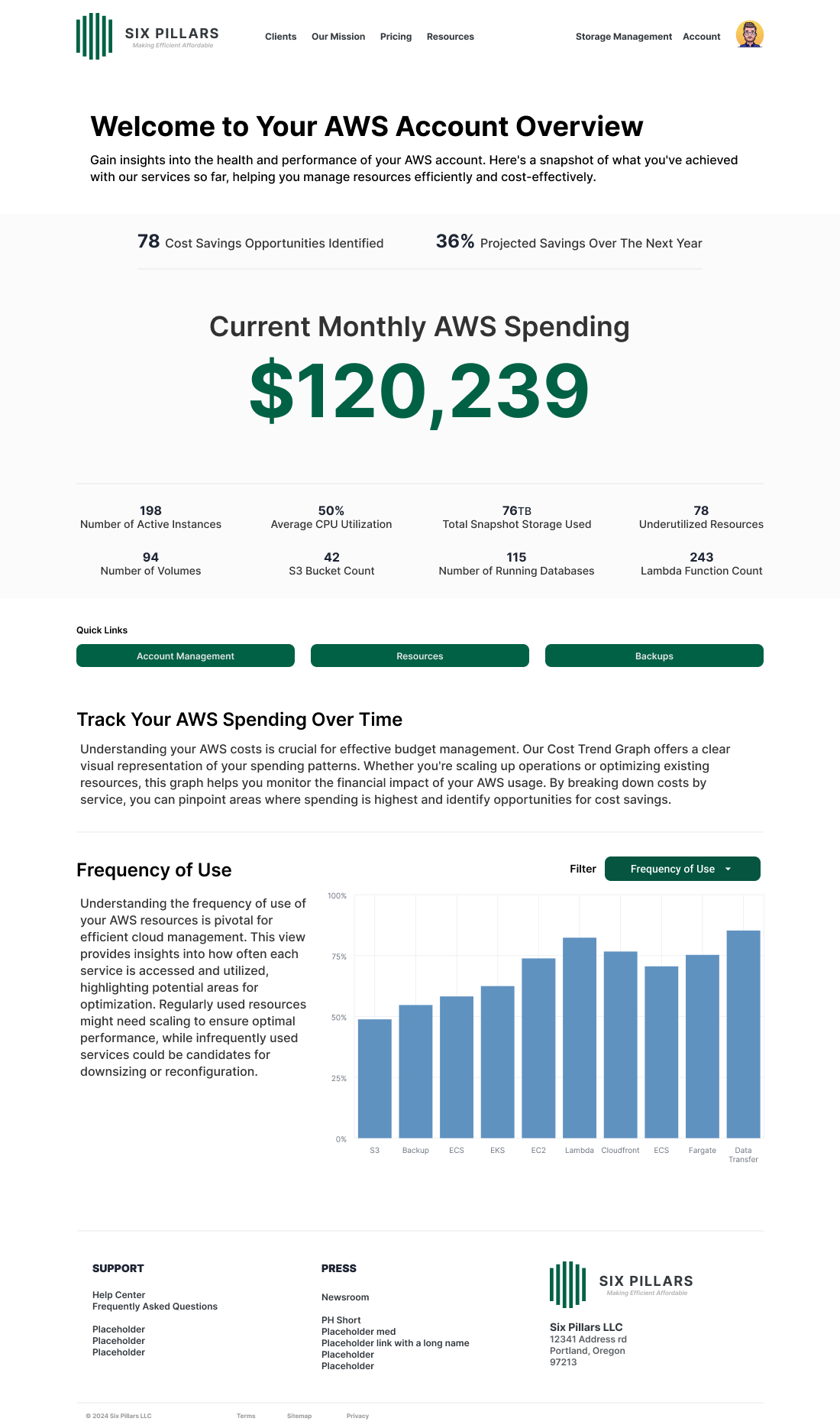
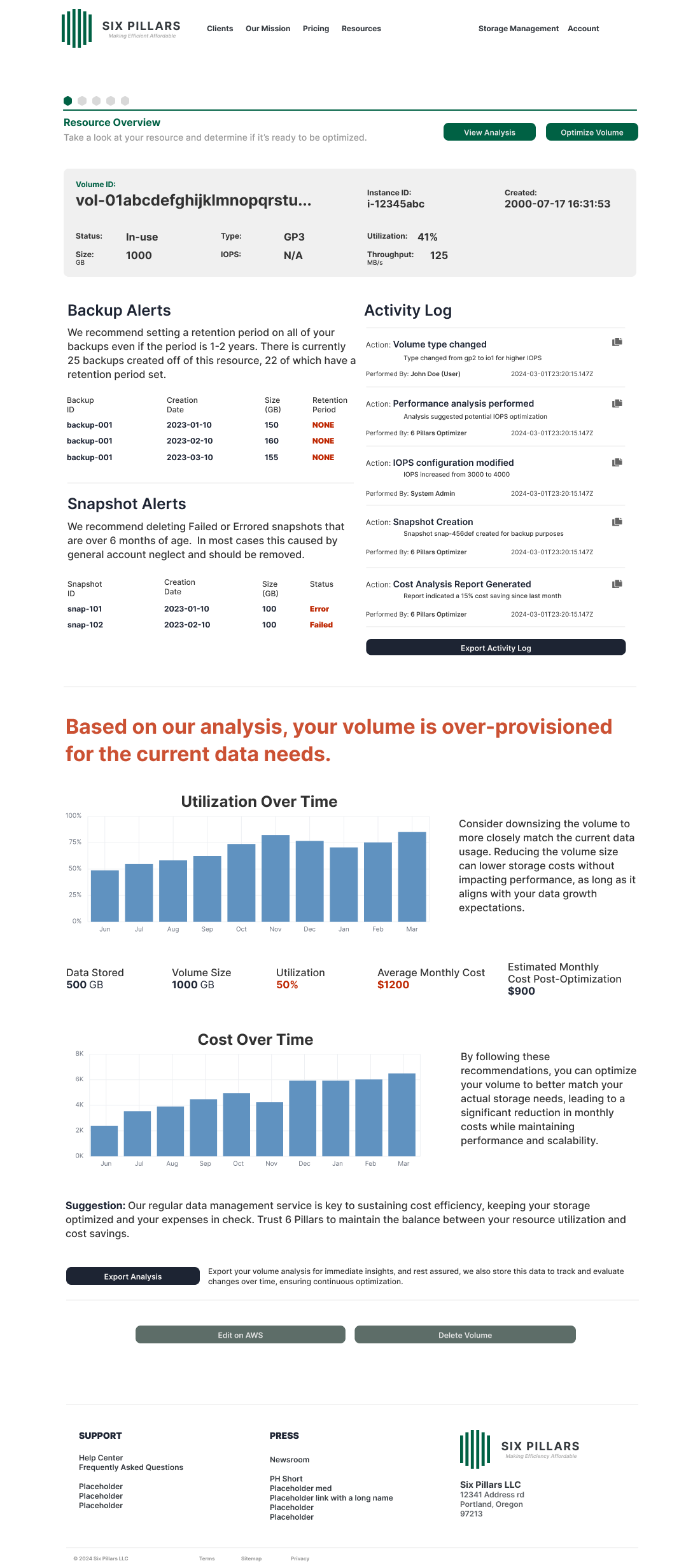
- Data visualization patterns and dashboards that communicate technical metrics and optimization outcomes to both technical and business stakeholders
- An end-to-end API integration layer between frontend and optimization backend with token-based authentication middleware
The optimization flow
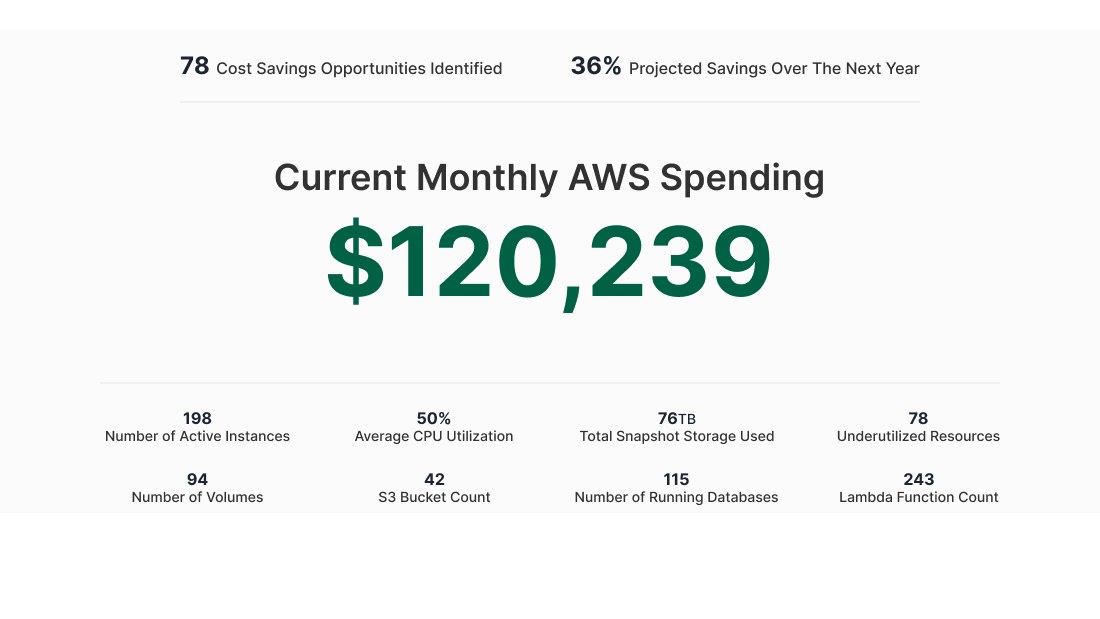
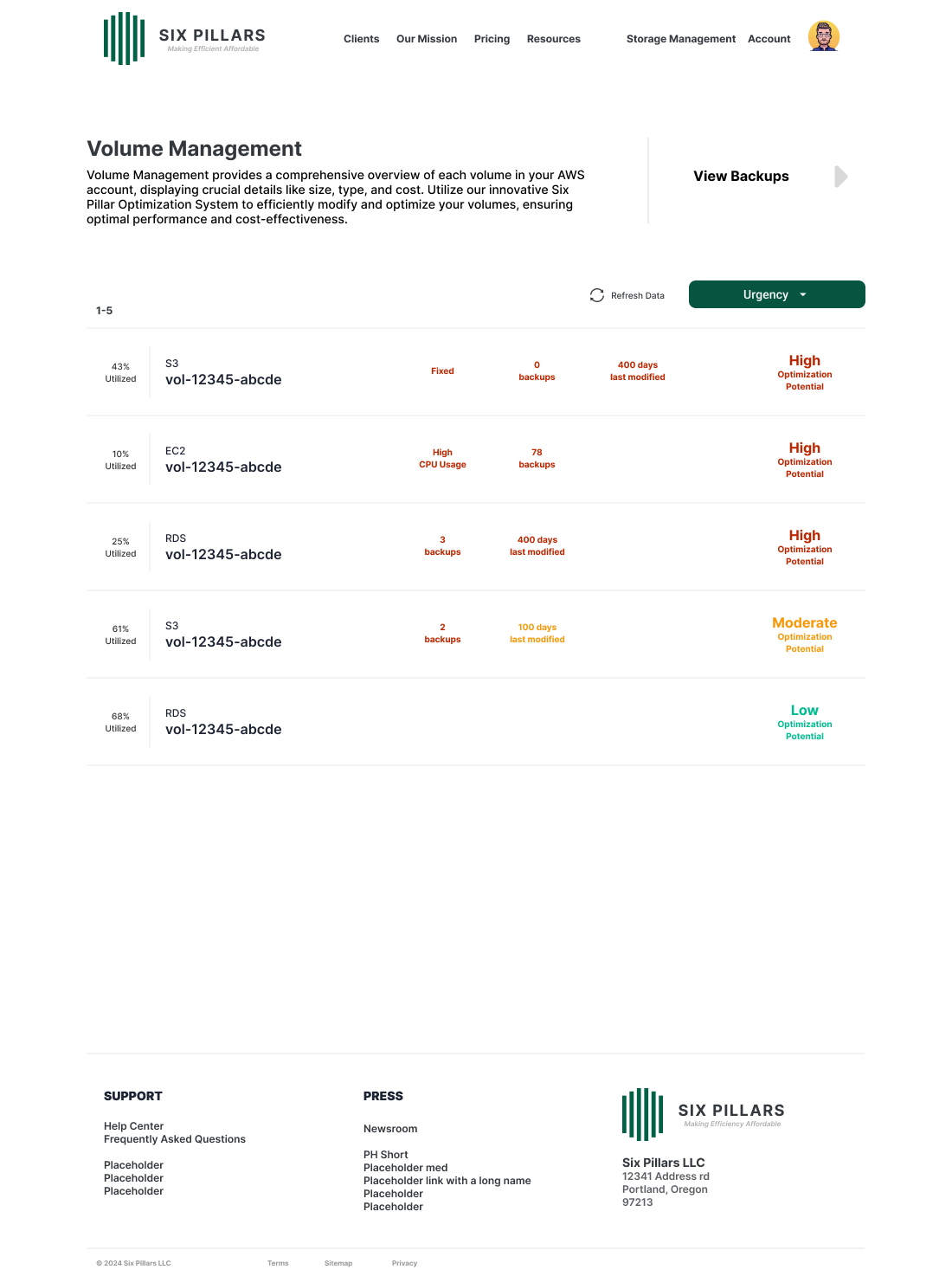
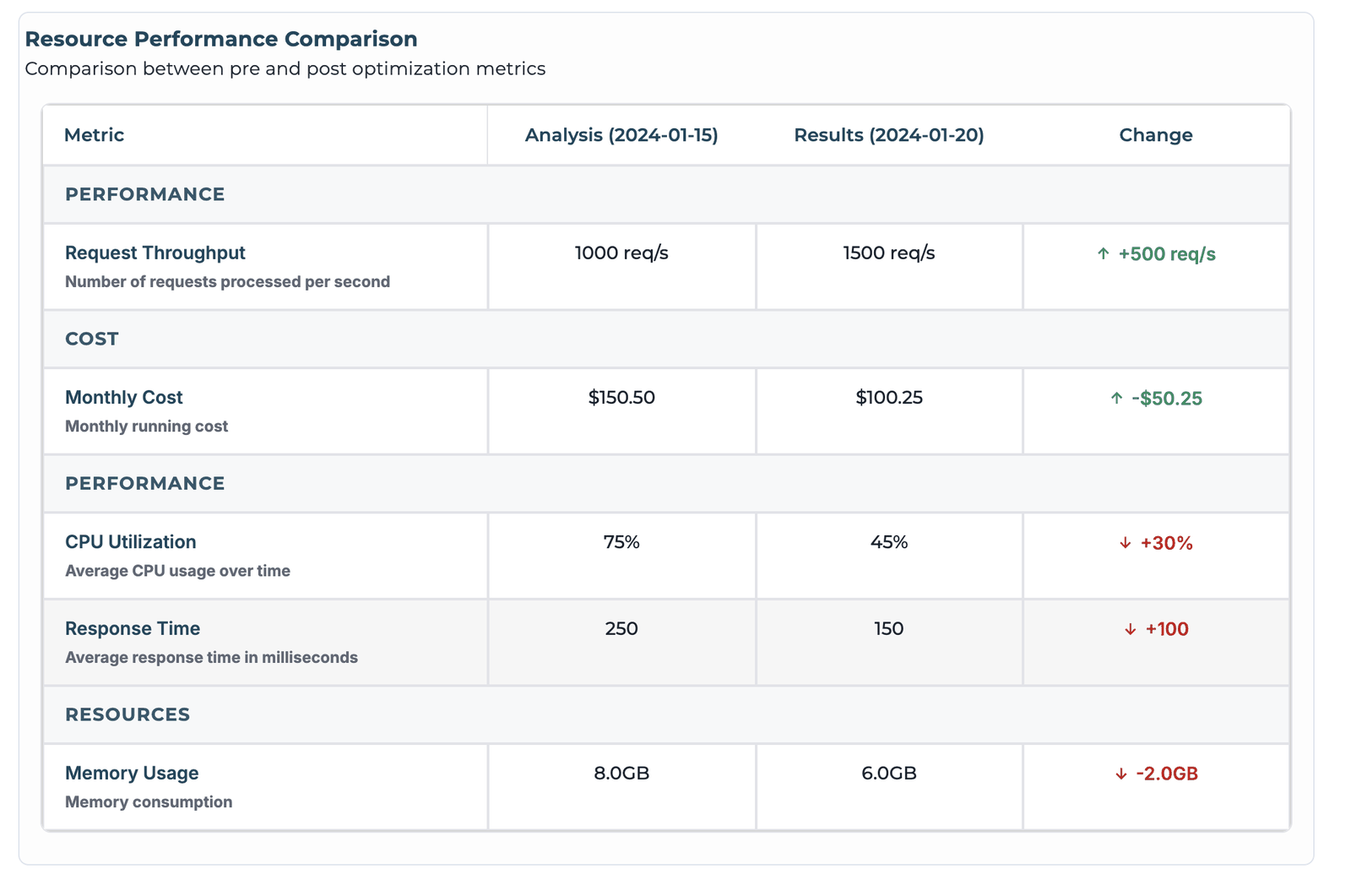
The heart of the product is a guided six-step optimization flow: analyze the resource, understand the risks, set the parameters, run the optimization, compare the results, and choose backup retention. Each resource gets a full analysis before anything is touched — utilization and cost over time, backup and snapshot health — and every run ends with a before/after comparison of cost, space, and energy usage.
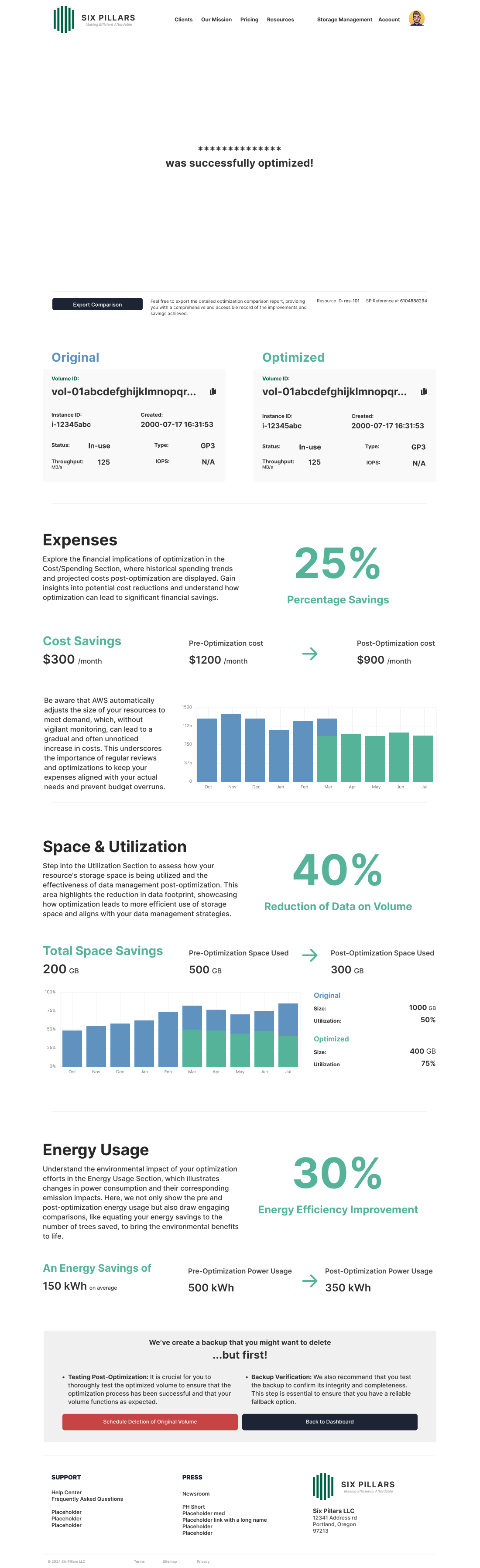
From design to production
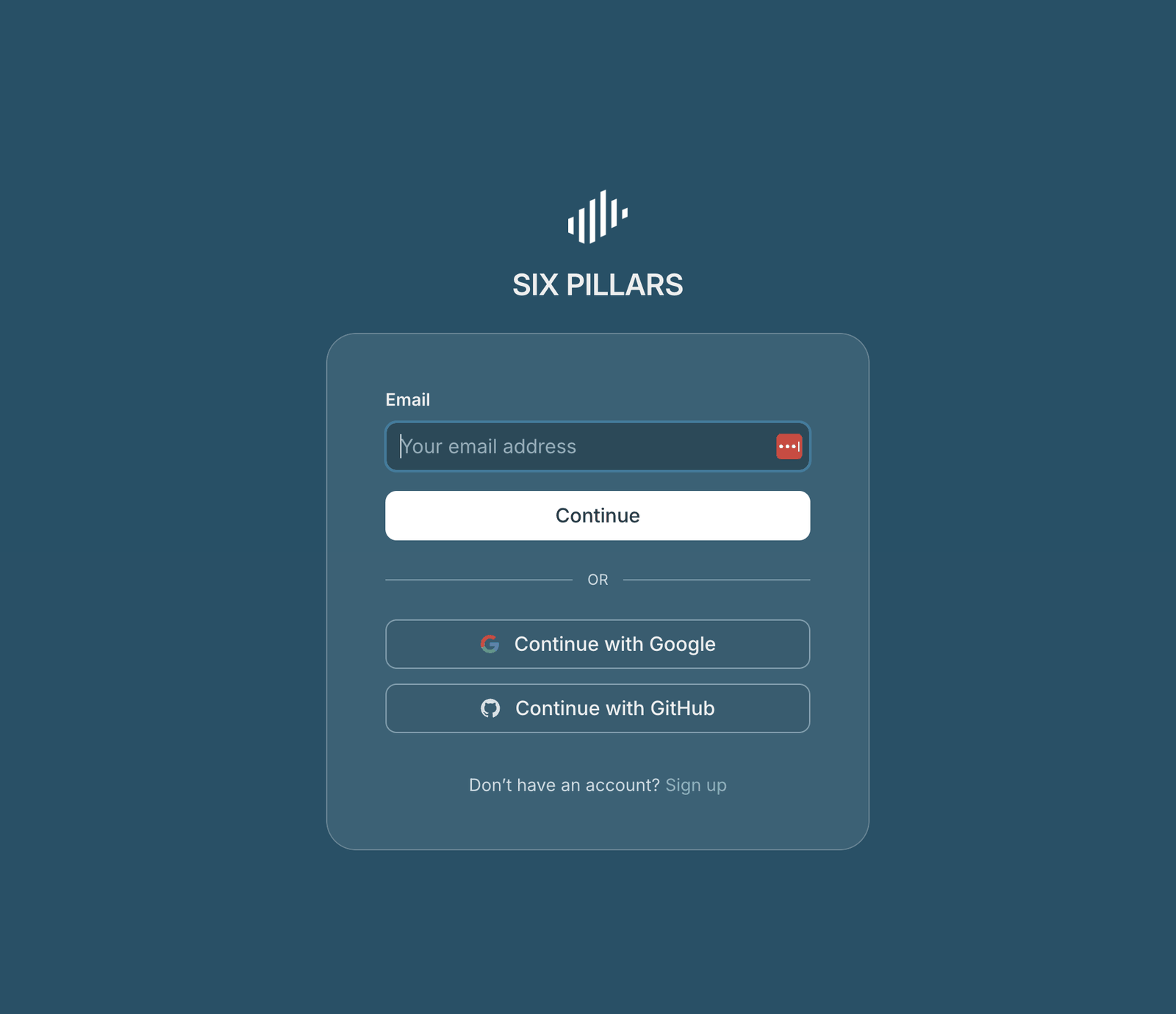
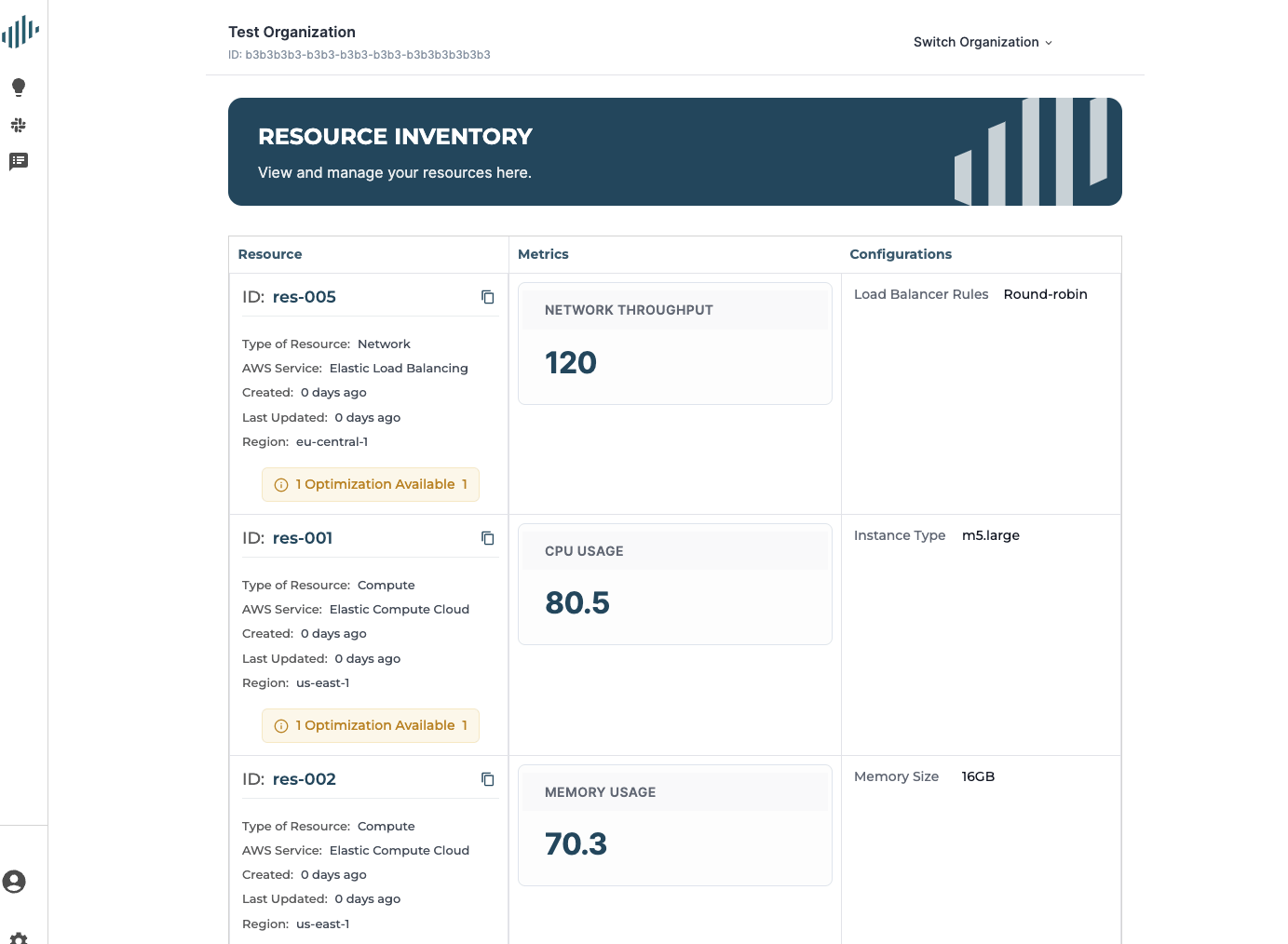
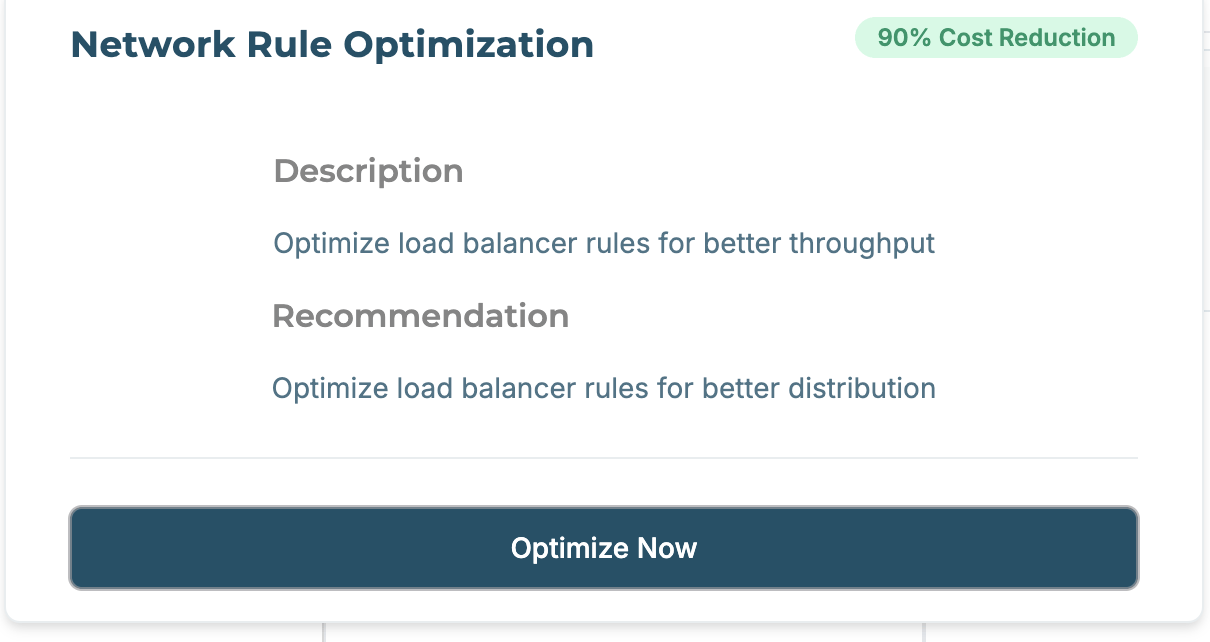
The mockups above are the 2024 design pass. The product that shipped kept evolving — by early 2025 it had grown a tighter visual language of its own, running against connected AWS accounts behind WorkOS multi-tenant auth. These are unretouched screenshots of the production build.
Architecture
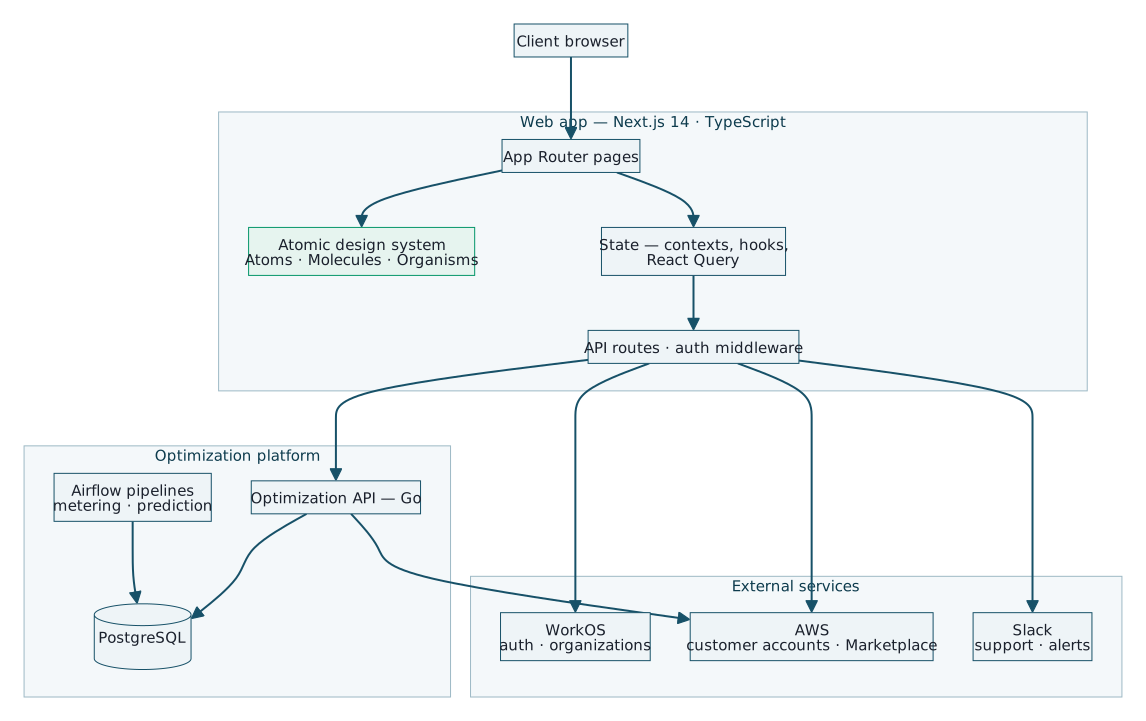
The web app is one half of a larger system: a Go optimization API backed by PostgreSQL does the heavy lifting, Airflow pipelines handle metering and prediction, WorkOS provides authentication and organization management, and AWS supplies both the resources under analysis and the Marketplace billing channel.
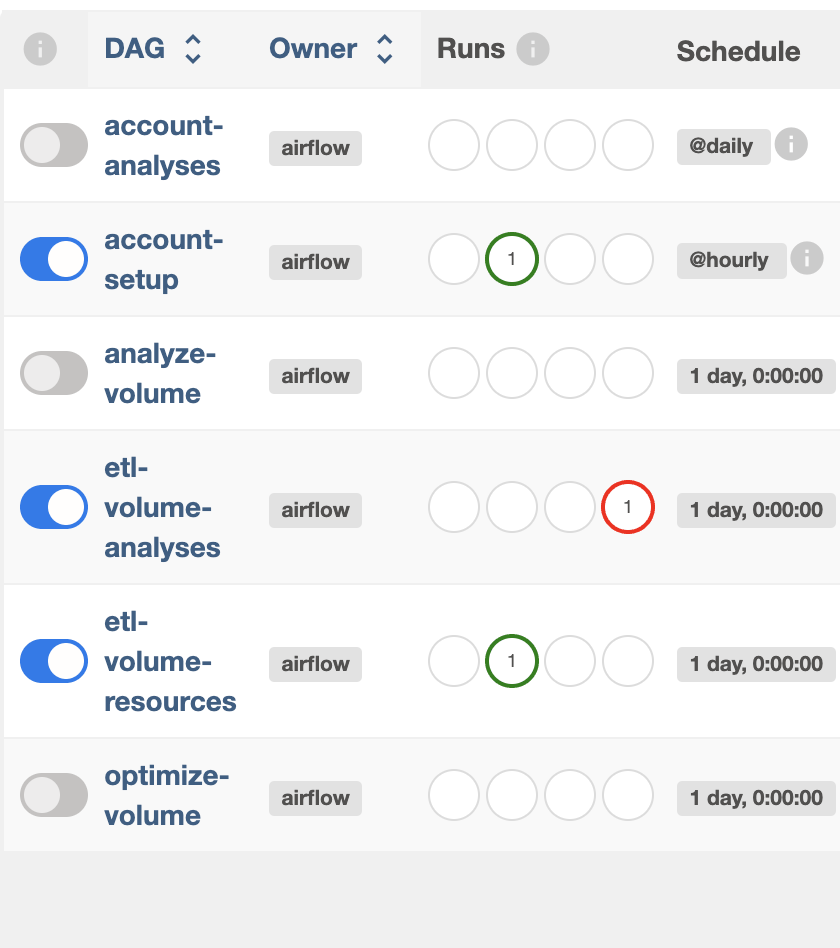
Behind the scenes, Airflow orchestrates the platform's recurring work — account setup, volume analysis, and the ETL that feeds the optimizer:
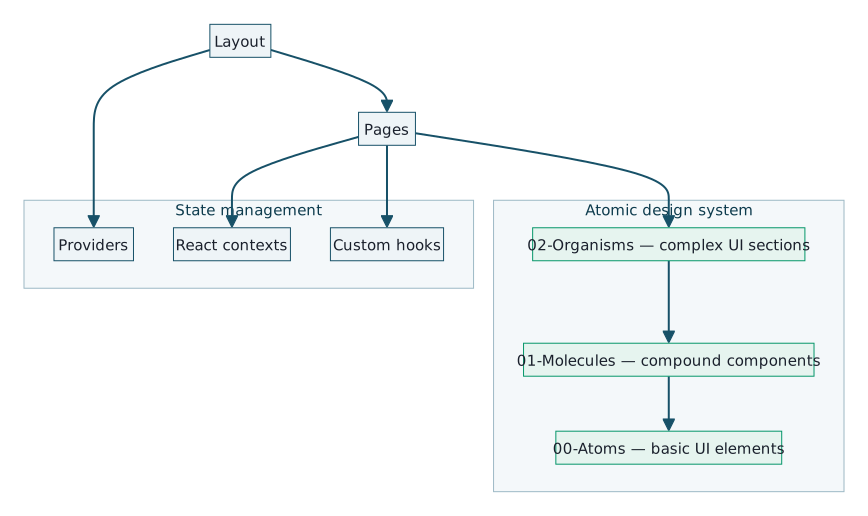
The UI is built strictly bottom-up as an atomic design system — the component folders are literally named 00-Atoms, 01-Molecules, and 02-Organisms.
Beyond the code
As co-founder I led product ideation and UX strategy across multiple design iterations, created the AWS Marketplace listing, ran customer demonstrations, and developed five-year milestone plans aligning product vision with market needs.
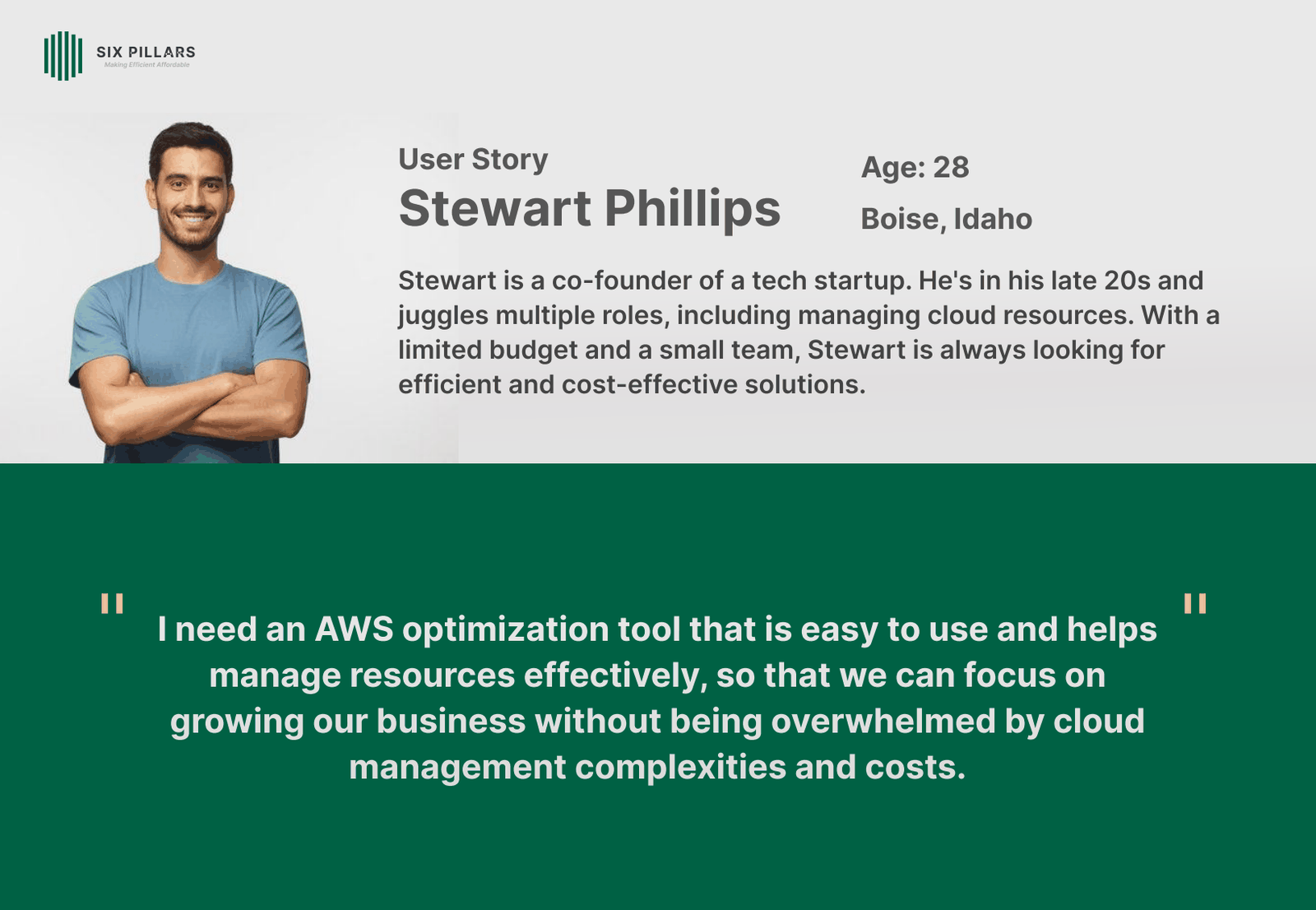
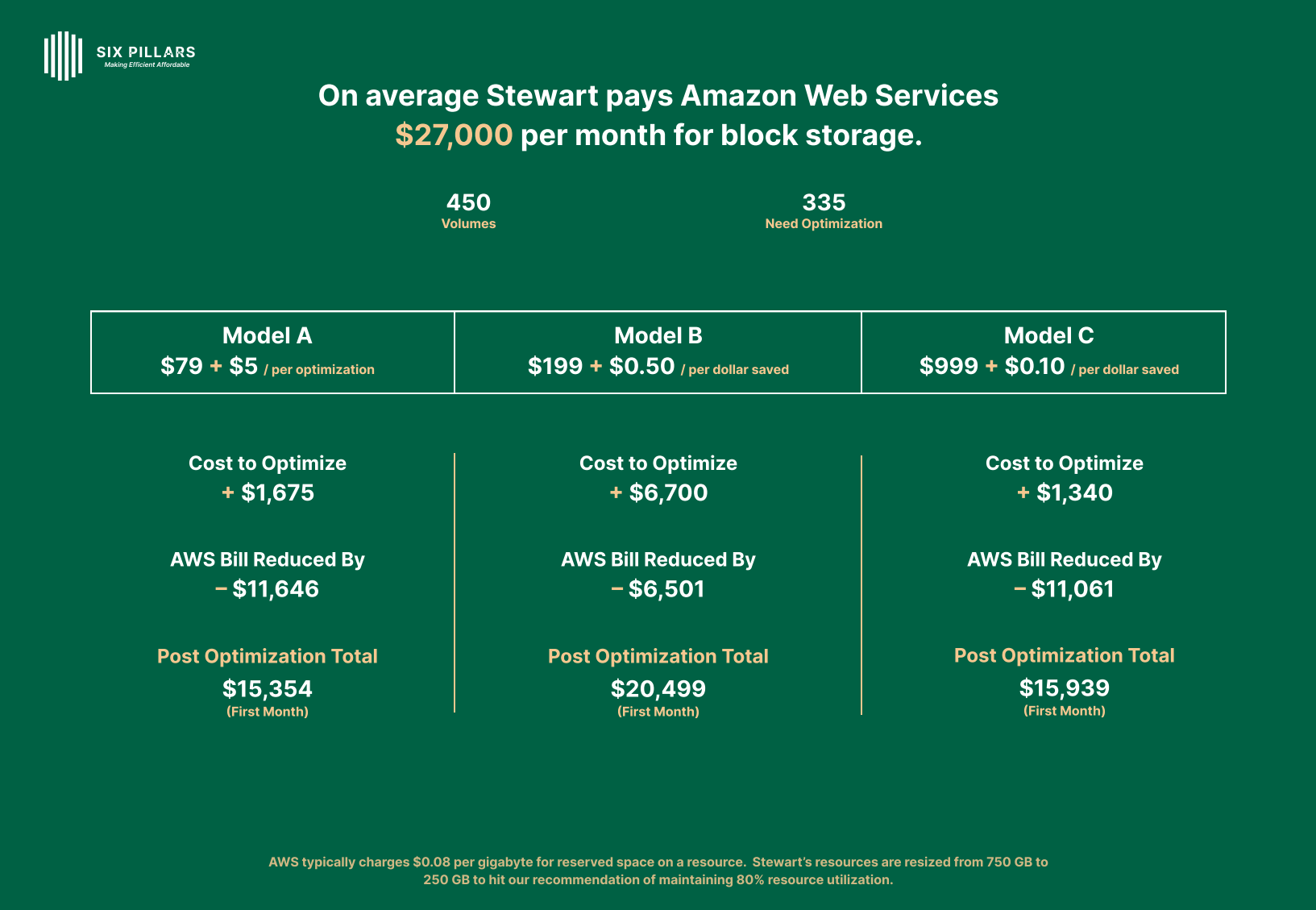
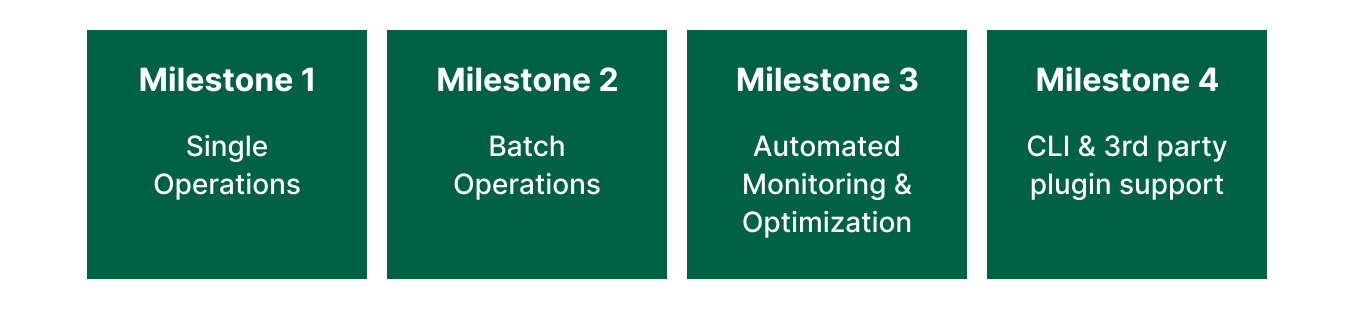
That work included pitching Six Pillars to potential investors. The deck walks from problem and solution through a live product tour to pricing models and a four-milestone roadmap — the same story the product tells, aimed at a different audience.
Three slides from the investor deck
Other projects
2026 · Personal project
johnedmondson.dev v2 — This Website
This site: a bilingual Next.js portfolio with an atomic component library and a git-based CMS.

2026 – present · Personal project
Top Shot Reloaded — 1v1 Speedball Duel
A phone-first 1v1 paintball duel built solo: deterministic 120 Hz sim, WebGL renderer, lockstep multiplayer, native shells.
2025 – present · Contract
Bold Reuse — Reuse Logistics Platform
Onboarding, bulk imports, role-based access and the wash-pack-ship workflows a live fulfillment team runs on every day.